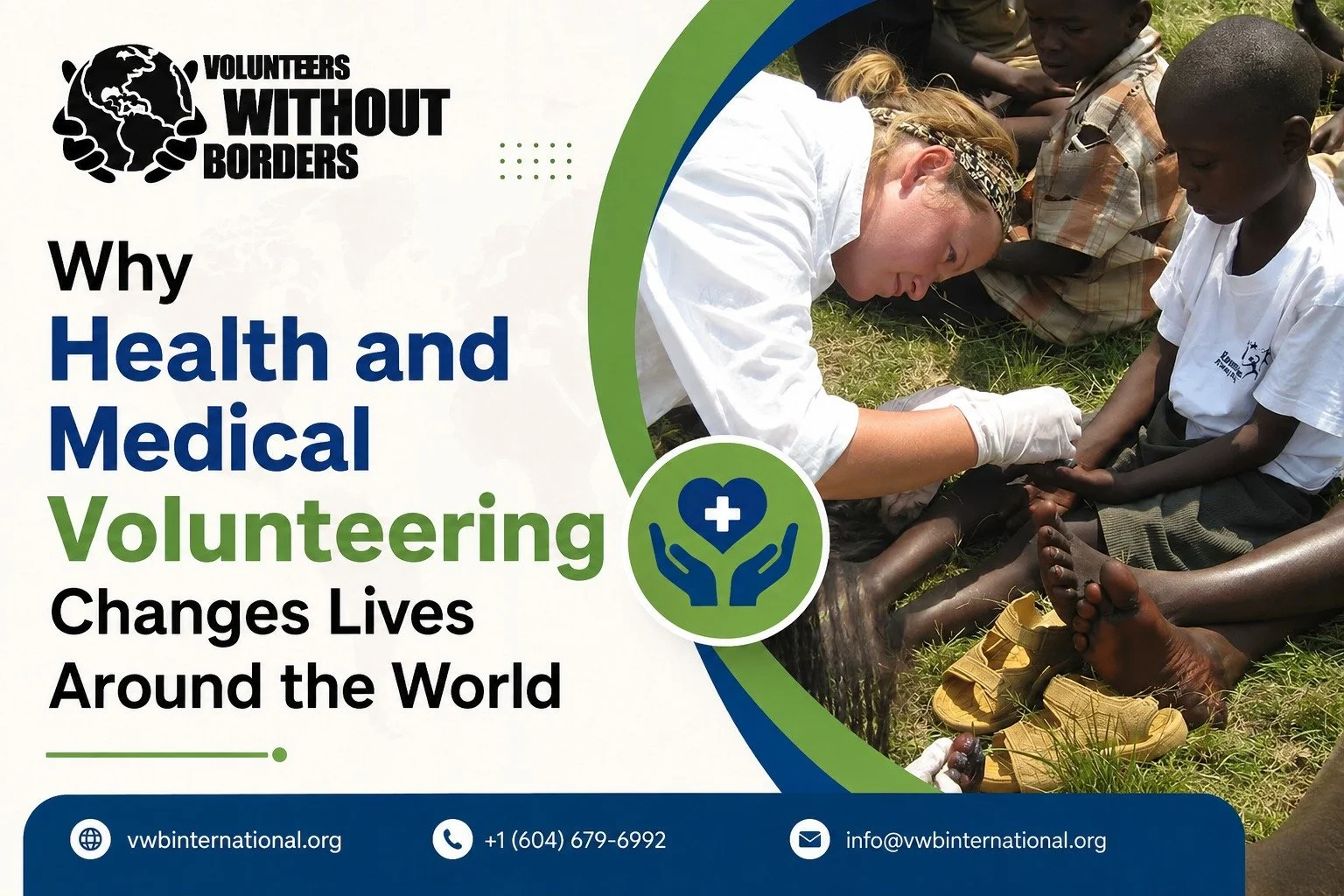
Why Health and Medical Volunteering Changes Lives Around the World
Health and medical volunteering gives skilled professionals and passionate newcomers alike a chance to make a real difference in communities that need it most. From rural clinics to disaster relief zones, volunteers step into roles that directly improve access to care, ease suffering, and build lasting trust between organizations and the people they serve. For anyone searching for a meaningful way to use their time and talents, this path offers both purpose and impact, along with skills that carry over into everyday life.
What This Kind of Service Looks Like in Practice
Every placement is different, but the goal is always the same: strengthening healthcare where it is needed most. Volunteers might spend their days assisting doctors during checkups, supporting vaccination drives, or helping local staff manage patient records and supplies. Others focus on health education, teaching communities about hygiene, nutrition, and disease prevention so improvements last well beyond a single visit.
Who Can Get Involved
Contrary to popular belief, this kind of service isn't reserved only for doctors and nurses. Medical students, public health graduates, pharmacists, and even administrative professionals all bring valuable skills to the table. Programs are typically structured so that trained staff supervise clinical tasks, while participants with non-clinical backgrounds support logistics, translation, and community outreach.
The Skills You Bring Home
Beyond the impact made abroad, participants often return with a sharper sense of adaptability, stronger cross-cultural communication skills, and firsthand exposure to public health systems very different from their own. Many say the experience reshaped how they think about their careers, pushing them toward further study or long-term work in global health, nonprofit management, or community development.
Why It Matters for Communities
For the communities being served, consistent volunteer support can mean shorter wait times at clinics, better-stocked supply rooms, and more hands available during high-need periods like immunization campaigns or seasonal outbreaks. Local healthcare workers often describe the partnership as a genuine exchange of knowledge rather than a one-way delivery of aid, with both sides learning from one another over time.
Finding the Right Program
Not every opportunity is created equal, so it helps to choose a program with a proven track record, transparent partnerships, and clear safety protocols. Those interested in joining a Canadian-based volunteer network can find placements that combine rigorous preparation with genuine community partnerships, ensuring every trip creates lasting value rather than short-term dependency.
Making the Decision to Get Started
Committing to a placement can feel like a big step, but most organizations offer flexible timelines, from short-term trips to multi-month commitments. It's worth reviewing available volunteer opportunities and destinations to see which region and focus area best match your skills, schedule, and interests before applying, so you can start your placement with clarity and confidence.
Conclusion
Health and medical volunteering remains one of the most rewarding ways to give back while gaining skills that last a lifetime. Whether you're a trained professional looking to serve underserved communities or a newcomer eager to learn, Volunteers Without Borders offers structured, safe, and genuinely impactful placements around the world, backed by experienced coordinators every step of the way. Contact us today to start your journey toward meaningful, hands-on service.